
“Not all words have one meaning.” This statement might confuse some and might feel obvious to others. Of course, we have all heard the phrase, “English is a funny language.” And polysemy words are a vital pillar of this funny language.
Basically, polysemy words are words that ha
“Not all words have one meaning.” This statement might confuse some and might feel obvious to others. Of course, we have all heard the phrase, “English is a funny language.” And polysemy words are a vital pillar of this funny language.
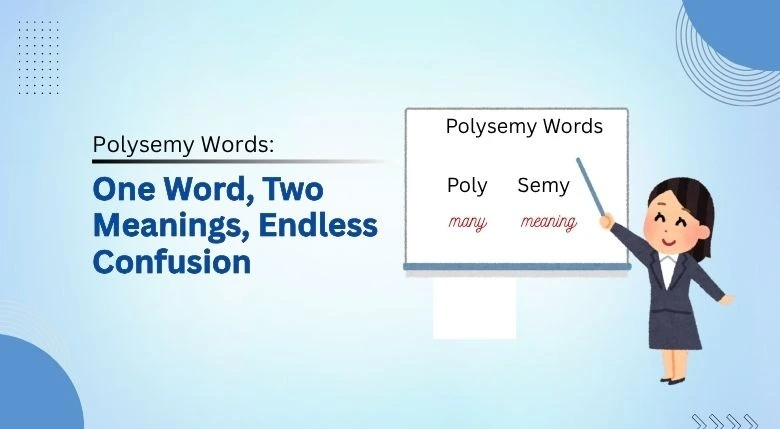
Basically, polysemy words are words that have more than one meaning, depending on the context.
For example,
- “Drive” can either mean operating a vehicle or a storage location on a computer.
- “Charge” may refer to a payment, energy, or moving forward at a rapid pace.
- “Apple” means a fruit and the global tech brand.
Most of our everyday conversation consists of polysemy words, and they often go unnoticed. Simply because we, the speakers, are aware of the context. But that is not the case in marketing. A word that sounds clear to a brand might send a completely different signal to its consumers, especially when the language changes.
The aim of this blog will be to explore polysemy words and how language translation services pay close attention to them to ensure clear marketing materials.
Why Do Polysemy Words Matter in Marketing and Translation?
Marketing thrives on two things: clarity and emotion. Unfortunately, semantic ambiguity in branding materials can dilute the impact of both.
So, when a brand decides to expand globally, they collaborate with expert localization services. These services ensure that even if there are multiple meanings of words in marketing materials, they do not cause confusion among the audience.
Here is why it is necessary to pay attention to polysemy words in marketing materials:
- It can change the emotional tone across cultures.
- It may alter the brand perception.
- It may affect the way audiences interpret brand messages.
For example, imagine a global brand has a tagline, “We help you charge faster.” In one market, it may suggest faster payments, while in another market it may imply energy efficiency. All this can lead to confusion about what is actually being “charged.”
The Real Impact of Polysemy Words on Branding
Polysemy words may create both an opportunity and a risk for brands.
On one hand, it creates depth and engagement in marketing materials. Audiences may connect more deeply when they are able to understand layered meanings.
However, on the other hand, it can cause confusion if audiences don’t understand the true meaning and context of the word.
Let’s think about this:
- A clever slogan may instill curiosity.
- But unclear words, taken out of context, can damage trust.
A word’s meaning impact on communication materials is way stronger than some brands realize. So, when a brand creates an ad or marketing campaign, it needs to be careful about how customers perceive values, products, and brand credibility.
Like polysemy words, many get confused between a language and a dialect. Check out our must-read blog to know the difference between the two: Professional Translations: Clearing the Language vs. Dialect Confusion.
Polysemy Words and SEO: A Hidden Relationship
Until now, we have explored the impact of polysemy words on humans. But did you know that these words also affect search engines?
Search engines rely heavily on context. So, when a brand uses ambiguous terms, the content may be flagged for the wrong audience.
For example,
- A keyword may attract an unrelated audience.
- Users may not feel connected if the intent does not match.
- Campaign performance may drop in digital marketing.
Hence, brands prefer to use a strong multilingual marketing strategy that considers both human and algorithmic interpretation of words. This ensures clear context, precise keywords, and intent-driven content.
How to Manage Polysemy Words in Marketing?
To avoid any confusion and maximize the impact of marketing materials, brands need to take a structured approach.
- Work with Language Experts: Language translation companies work with native linguists who help in content creation and translation.
- Test Your Materials: Professional translation services offer linguistic testing solutions that help brands to test their content with the target audience before sharing it in the region. This helps brands to understand how well their materials will work in the region.
- Build a Multilingual Glossary: Create a glossary that defines key terms that help in contextual clarity during translations.
- Focus on Context, Not Just the Words: Ensure every phrase supports the intended message clearly.
- Use Localization: By using content localization services, brands can adapt their message both culturally and linguistically.
These steps reduce confusion in branding materials, even if they are riddled with polysemy words.
Some Common Queries
Q1) What makes polysemy words risky in global advertising materials?
Ans. Polysemy words are risky because they have multiple meanings. In marketing, polysemy words can lead to unintended interpretations across different markets.
Q2) How can a translator handle polysemy words in marketing materials?
Ans. Expert translators ensure that the context and brand intent are maintained and use value-driven localization strategies to ensure that marketing materials do not cause any confusion.
Q3) How do Somya Translators ensure accuracy with polysemous terms?
Ans. We combine linguistic expertise, cultural adaptation, multilingual SEO, and precise glossaries to ensure that the message remains clear, consistent, and brand-aligned across languages.
Wrapping Up
For brands, language is a powerful tool, but it is complex, too. Polysemy words remind us that meaning isn’t fixed; it changes with context, culture, and perception.
However, when handled well, these words can make your message more engaging and wittier. And that is where guidance matters. At Somya Translators, we help businesses overcome the complexities of language with precision.
Are you looking to refine your global communication? We can help you speak to your customers just the way you want to!
Connect with us today!
Call: +91-9990094796
Email: info@somyatrans.com
ve more than one meaning, depending on the context.
For example,
• “Drive” can either mean operating a vehicle or a storage location on a computer.
• “Charge” may refer to a payment, energy, or moving forward at a rapid pace.
• “Apple” means a fruit and the global tech brand.
Most of our everyday conversation consists of polysemy words, and they often go unnoticed. Simply because we, the speakers, are aware of the context. But that is not the case in marketing. A word that sounds clear to a brand might send a completely different signal to its consumers, especially when the language changes.
The aim of this blog will be to explore polysemy words and how language translation services pay close attention to them to ensure clear marketing materials.
Why Do Polysemy Words Matter in Marketing and Translation?
Marketing thrives on two things: clarity and emotion. Unfortunately, semantic ambiguity in branding materials can dilute the impact of both.
So, when a brand decides to expand globally, they collaborate with expert localization services. These services ensure that even if there are multiple meanings of words in marketing materials, they do not cause confusion among the audience.
Here is why it is necessary to pay attention to polysemy words in marketing materials:
• It can change the emotional tone across cultures.
• It may alter the brand perception.
• It may affect the way audiences interpret brand messages.
For example, imagine a global brand has a tagline, “We help you charge faster.” In one market, it may suggest faster payments, while in another market it may imply energy efficiency. All this can lead to confusion about what is actually being “charged.”
The Real Impact of Polysemy Words on Branding
Polysemy words may create both an opportunity and a risk for brands.
On one hand, it creates depth and engagement in marketing materials. Audiences may connect more deeply when they are able to understand layered meanings.
However, on the other hand, it can cause confusion if audiences don’t understand the true meaning and context of the word.
Let’s think about this:
• A clever slogan may instill curiosity.
• But unclear words, taken out of context, can damage trust.
A word’s meaning impact on communication materials is way stronger than some brands realize. So, when a brand creates an ad or marketing campaign, it needs to be careful about how customers perceive values, products, and brand credibility.
Like polysemy words, many get confused between a language and a dialect. Check out our must-read blog to know the difference between the two: Professional Translations: Clearing the Language vs. Dialect Confusion.
Polysemy Words and SEO: A Hidden Relationship
Until now, we have explored the impact of polysemy words on humans. But did you know that these words also affect search engines?
Search engines rely heavily on context. So, when a brand uses ambiguous terms, the content may be flagged for the wrong audience.
For example,
• A keyword may attract an unrelated audience.
• Users may not feel connected if the intent does not match.
• Campaign performance may drop in digital marketing.
Hence, brands prefer to use a strong multilingual marketing strategy that considers both human and algorithmic interpretation of words. This ensures clear context, precise keywords, and intent-driven content.
How to Manage Polysemy Words in Marketing?
To avoid any confusion and maximize the impact of marketing materials, brands need to take a structured approach.
• Work with Language Experts: Language translation companies work with native linguists who help in content creation and translation.
• Test Your Materials: Professional translation services offer linguistic testing solutions that help brands to test their content with the target audience before sharing it in the region. This helps brands to understand how well their materials will work in the region.
• Build a Multilingual Glossary: Create a glossary that defines key terms that help in contextual clarity during translations.
• Focus on Context, Not Just the Words: Ensure every phrase supports the intended message clearly.
• Use Localization: By using content localization services, brands can adapt their message both culturally and linguistically.
These steps reduce confusion in branding materials, even if they are riddled with polysemy words.
Some Common Queries
Q1) What makes polysemy words risky in global advertising materials?
Ans. Polysemy words are risky because they have multiple meanings. In marketing, polysemy words can lead to unintended interpretations across different markets.
Q2) How can a translator handle polysemy words in marketing materials?
Ans. Expert translators ensure that the context and brand intent are maintained and use value-driven localization strategies to ensure that marketing materials do not cause any confusion.
Q3) How do Somya Translators ensure accuracy with polysemous terms?
Ans. We combine linguistic expertise, cultural adaptation, multilingual SEO, and precise glossaries to ensure that the message remains clear, consistent, and brand-aligned across languages.
Wrapping Up
For brands, language is a powerful tool, but it is complex, too. Polysemy words remind us that meaning isn’t fixed; it changes with context, culture, and perception.
However, when handled well, these words can make your message more engaging and wittier. And that is where guidance matters. At Somya Translators, we help businesses overcome the complexities of language with precision.
Are you looking to refine your global communication? We can help you speak to your customers just the way you want to!
Connect with us today!
Call: +91-9990094796
Email: info@somyatrans.com